

ENGINEERING SINCE 2015
Turn the idea in your vehicle into a practical project.
An engineering approach based on measurements and vehicle data for campervan, body, seating, window and intended-use changes.
An engineering approach based on measurements and vehicle data for campervan, body, seating, window and intended-use changes.

Ruhsat, fotoğraf ve ölçüler üzerinden hızlı ön değerlendirme; süreç boyunca açık ve anlaşılır yönlendirme.

Project preparation tailored to the vehicle class for trucks, vans, minibuses, buses and panel vans.
Sonuç sekmesini seçin; aynı başlangıç fotoğrafını farklı uygulama aşamalarıyla birebir karşılaştırın.
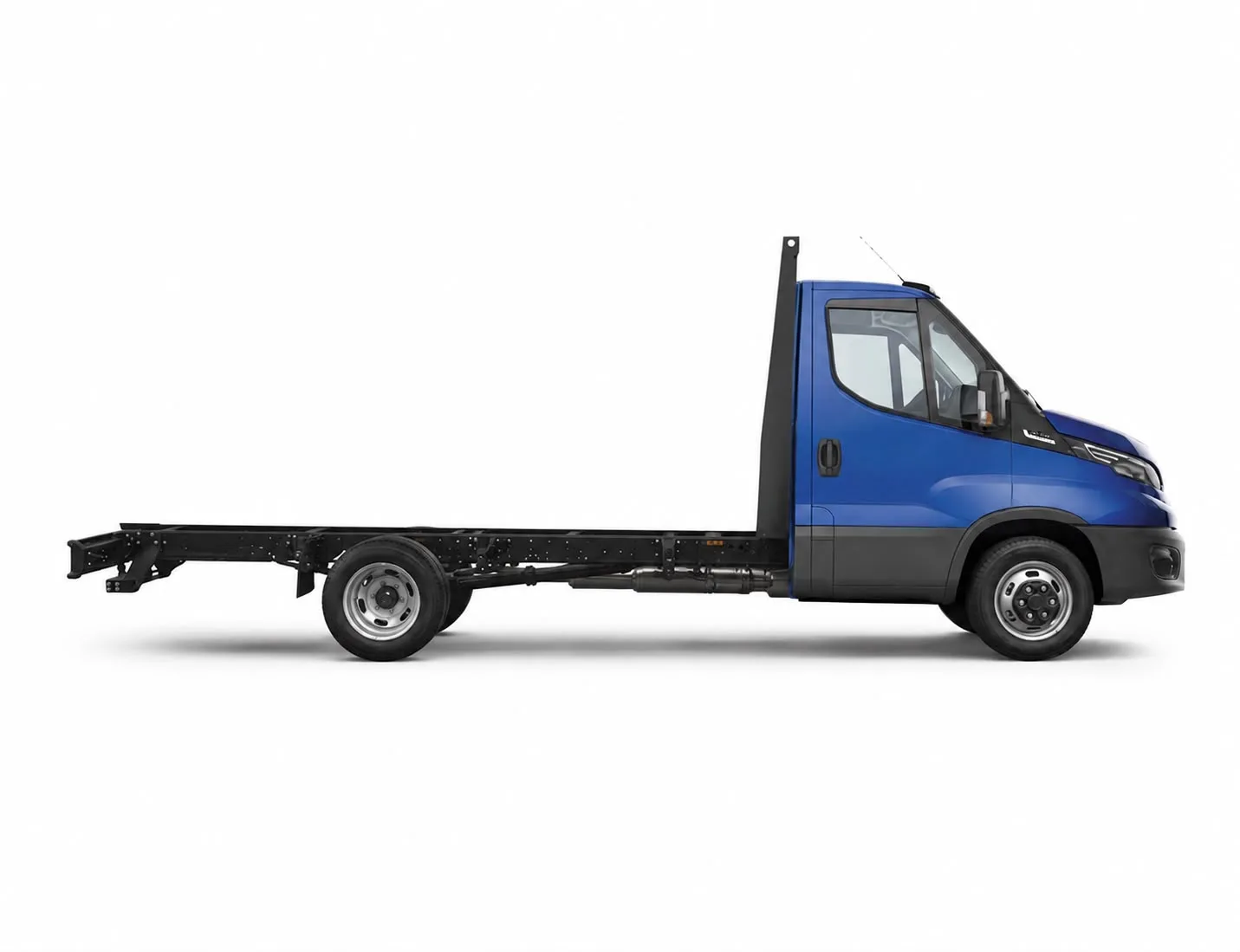
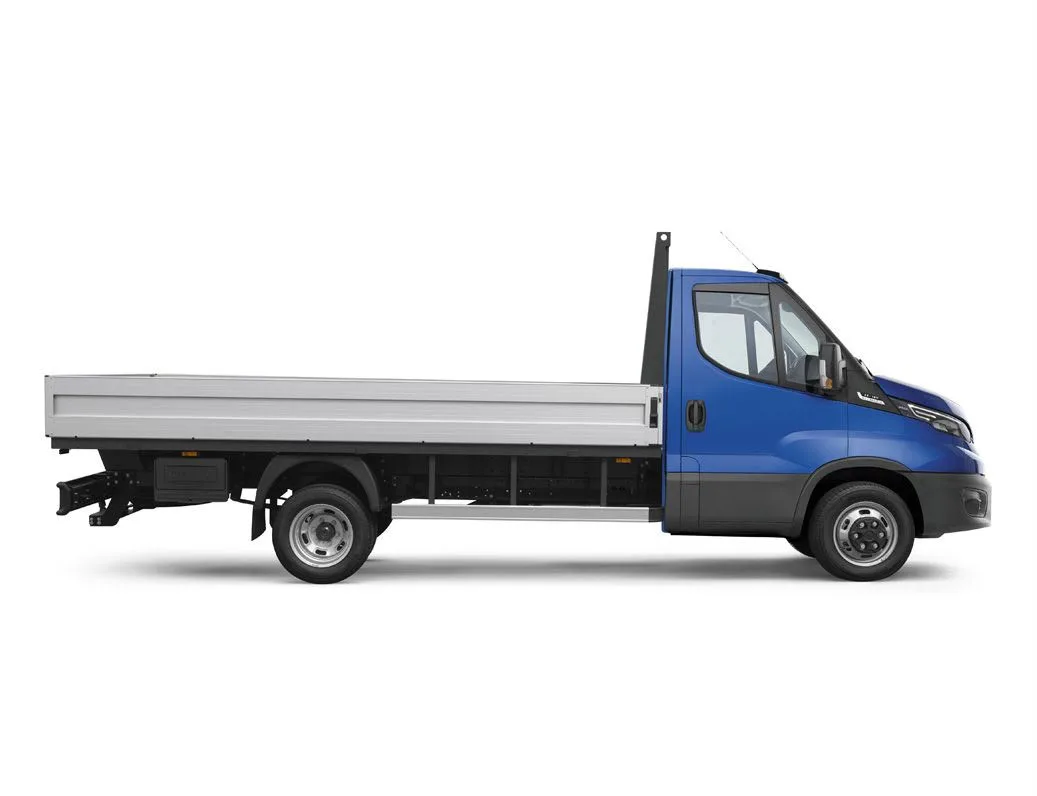
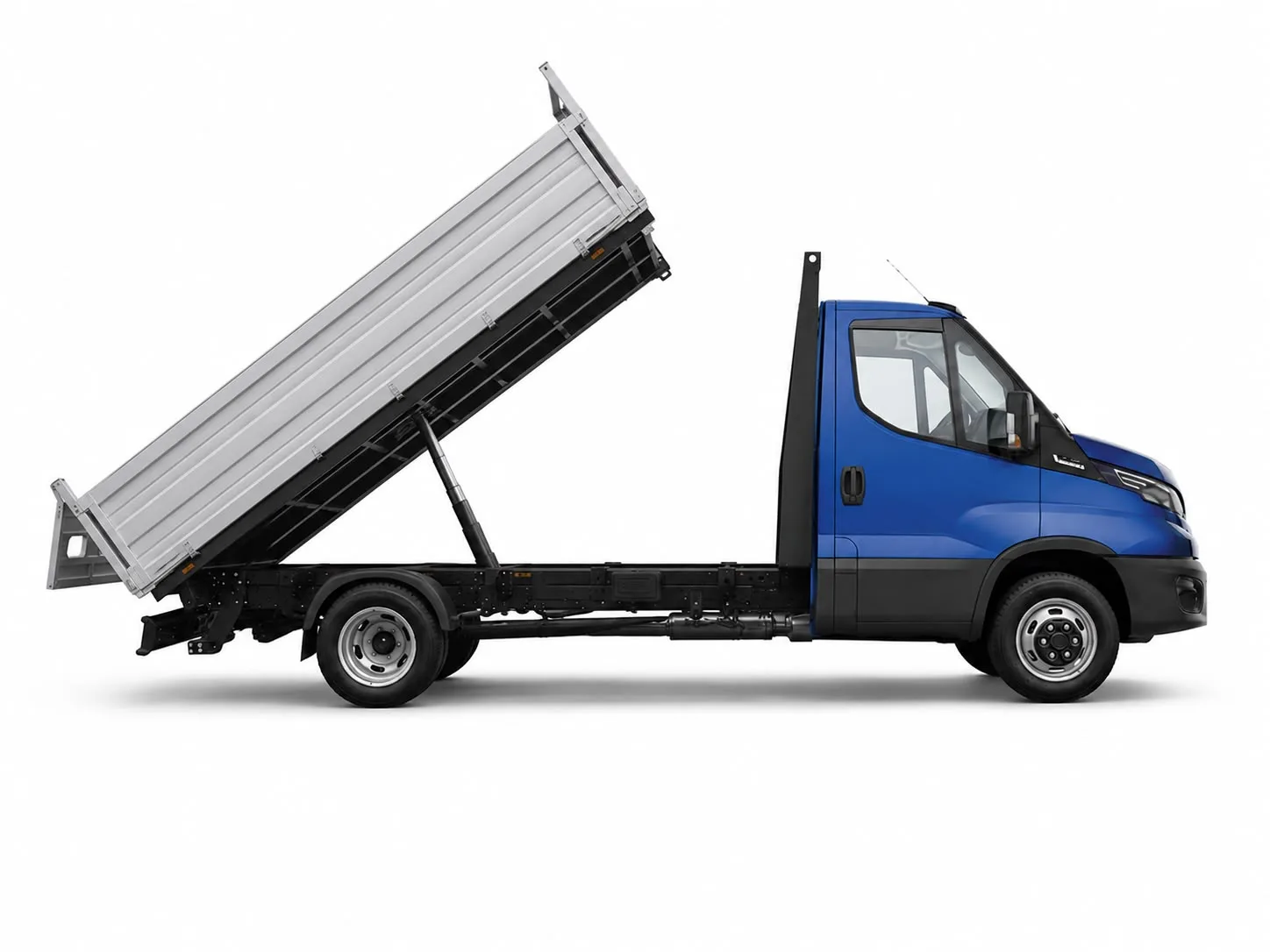
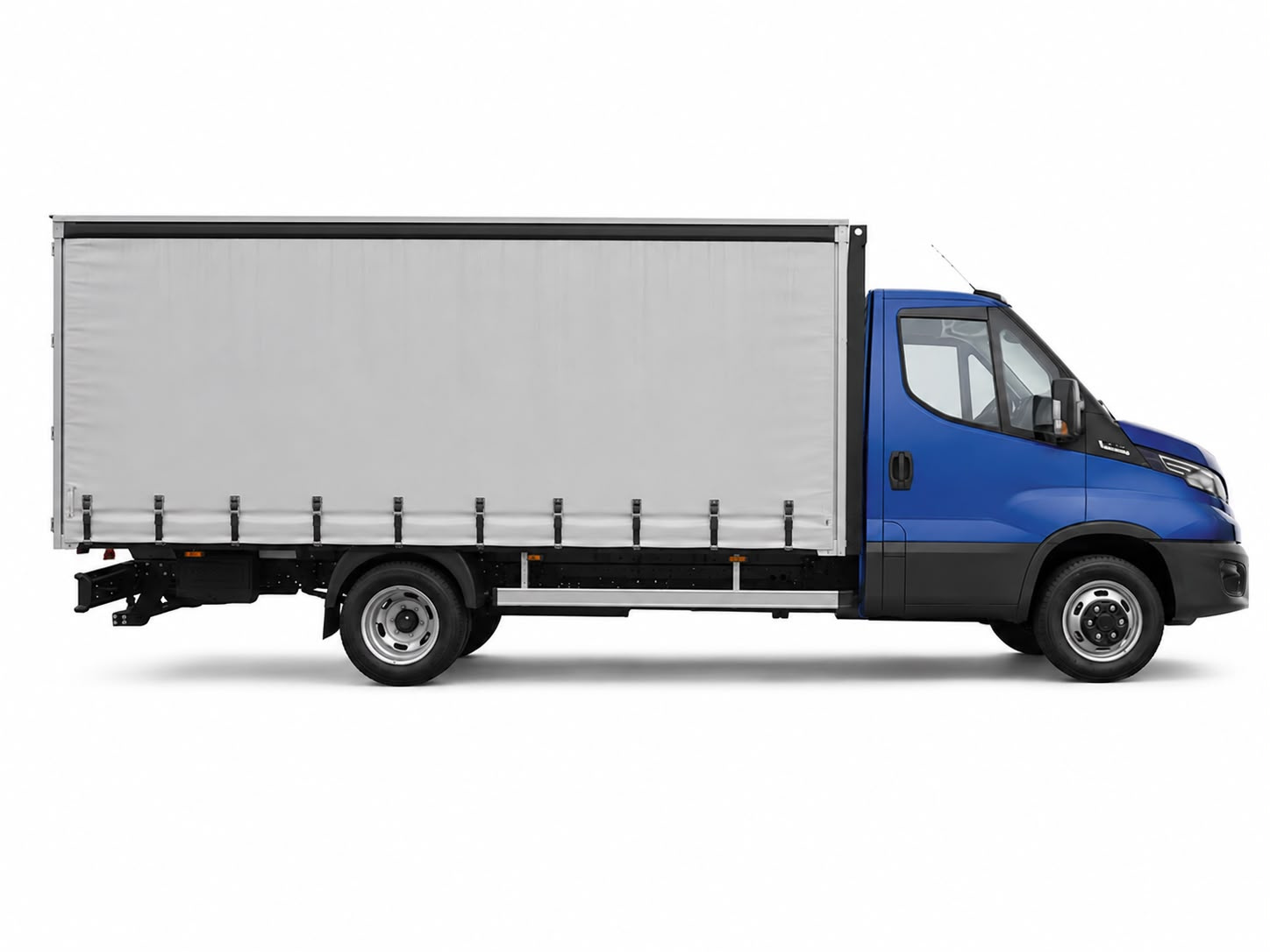 ORIGINALAÇIK KASA
Modern tema sistemiyle hız, erişilebilirlik, SEO ve görsel kalite aynı altyapıda birleşir.
Önbellek, responsive medya ve yumuşak AJAX geçişleri.
Canonical, Schema, hreflang ve bağlantı denetimi.
Klavye, ekran okuyucu ve azaltılmış hareket desteği.
Yedekleme, bütünlük ve güvenli güncelleme zinciri.
Technical pre-assessment and project documentation for converting suitable panel vans and minibuses into campervans.
Service details
Technical project preparation for body replacement, open or closed bodies and special-purpose applications.
Service details
Project support for removing, adding or repositioning seats and changing passenger capacity.
Service details
Project documentation for installing or removing school-vehicle equipment or changing the intended use.
Service details
Conversion project for adding windows and seats to panel vans for passenger use.
Service details
Assessment of vehicle class or intended-use changes based on the vehicle and target operation.
Service detailsAuthorization areas supported by technical project preparation and assessment.
Tipper systems
Authorization DocumentTail-lift systems
Authorization DocumentRecovery vehicle systems
Authorization DocumentVehicle-mounted crane systems
Authorization DocumentHydraulic support legs
Authorization DocumentRoad sweeper vehicles
Every modification has different technical requirements depending on vehicle type, intended use and planned work. We therefore assess each vehicle individually.
Request a pre-assessmentRegistration, vehicle images, dimensions and the planned work are collected.
Feasibility and the required dimension and document list are clarified.
Technical drawings and required documents are prepared in a controlled manner.
The file receives a final check and the next steps are communicated.
Since 2015, we have worked with technical diligence, engineering ethics and accessible communication in vehicle modification and conversion projects.
Before a project begins, we review the vehicle data and planned change, then clearly communicate required dimensions, documents and possible risks to reduce delays and unnecessary cost.
We combine technical accuracy with speed, accessibility and clear communication.
Documents, dimensions and the order of work are clarified before the project starts.
Technical details are explained clearly without unnecessary complexity.
Missing information and next steps are reported without delay.
The file is checked for scope and consistency before delivery.
The final scope depends on the vehicle class and modification; a pre-check reduces unnecessary work and missing documents.
Make, model, type, class and current registration details are checked together.
Dimensions, access and layout conditions of the modification area are reviewed.
The impact of the planned work on use and carrying capacity is assessed.
Technical needs for seats, mountings, restraints and passenger use are identified.
Project requirements between current and intended use are clarified.
Required photos, dimensions, drawings and next steps are listed clearly.
Pricing depends on the vehicle type, the scope of the modification, available documents and the level of technical work required. Registration details and a short description are usually sufficient for an initial estimate.
Timing depends on the project type and the completeness of the required information and documents. An estimated delivery range is provided after the initial assessment.
Yes. For suitable project types, documents and images can be assessed digitally and requests can be accepted from across Türkiye. Steps requiring a physical inspection are planned separately.
Yes. A technical assessment before implementation helps reduce incompatibilities, additional cost and delays.
Vehicle registration, current photos, chassis or vehicle information, dimensions and a description of the planned modification are generally required. Additional documents may be requested depending on the project.
Many requests can be assessed digitally using registration details, current photos, dimensions and a description of the planned work. A physical inspection is requested when needed.
Some work can be assessed after implementation, but non-compliant work may need correction. The safest approach is to confirm the scope before physical modification begins.
Send a registration photo, current interior and exterior images, make and model information and a short list of planned changes for a faster and more accurate assessment.
No. Compliance with regulations, dimensions, weight distribution and safety requirements should be assessed before work begins. Starting without a clear scope may lead to rework and additional cost.
Registration, chassis details, a description of the planned work, interior and exterior photos and dimensions are generally required. Additional technical documents or certificates may be needed depending on the work.
The required technical file, drawings and application stages are explained according to the project scope. A process plan is shared to reduce omissions before inspection.
Vehicle class, mountings, restraint layout, capacity and intended use are reviewed. The outcome is vehicle-specific.
Intended use, fixed equipment, living layout, electrical and gas systems, ventilation, weight and vehicle class are assessed together. The required scope is vehicle-specific.
Body structure, field of view, glazing standard, dimensions and installation location are checked. Suitable changes can be shown in the technical file.
Added equipment and passenger capacity affect total weight and axle distribution. Safe limits and registration data are checked for consistency.
Yes. Registration details, photos, dimensions and a description of the planned work are often sufficient for an initial assessment. A physical inspection is requested when necessary.
Timing depends on the modification, completeness of documents, calculation requirements and revisions. An estimated delivery range is shared after the initial review.
A file may be prepared if dimensions, materials, mountings and safety conditions are suitable; non-compliant work may require correction. Clarifying the scope before implementation is the safest approach.
Seating, safety equipment, doors, windows, interior layout, vehicle class and operating requirements are assessed together.
An initial quote and scope assessment can usually be made from registration details, photos, dimensions and a short description. An on-site inspection is planned if required.
Share the registration, vehicle photos and planned modification; let us determine the documents and project path together.